
New York Film Wedding Photography
Black & White Film Photography for couples who appreciate classic, timeless photography and the craftsmanship behind it.
Throughout the day, we carefully choose the moments best suited for film, considering the light, composition, emotion, and the unique characteristics of the medium. Some moments are better captured digitally, while others are especially well suited to the depth and character of traditional black-and-white film.
Your digital photography provides comprehensive coverage of your wedding day, while the film photographs become a distinctive collection of timeless fine art images created with care and intention.
Because every wedding is unique, film coverage can be tailored to your timeline, priorities, and vision. Please inquire for specific pricing and availability.
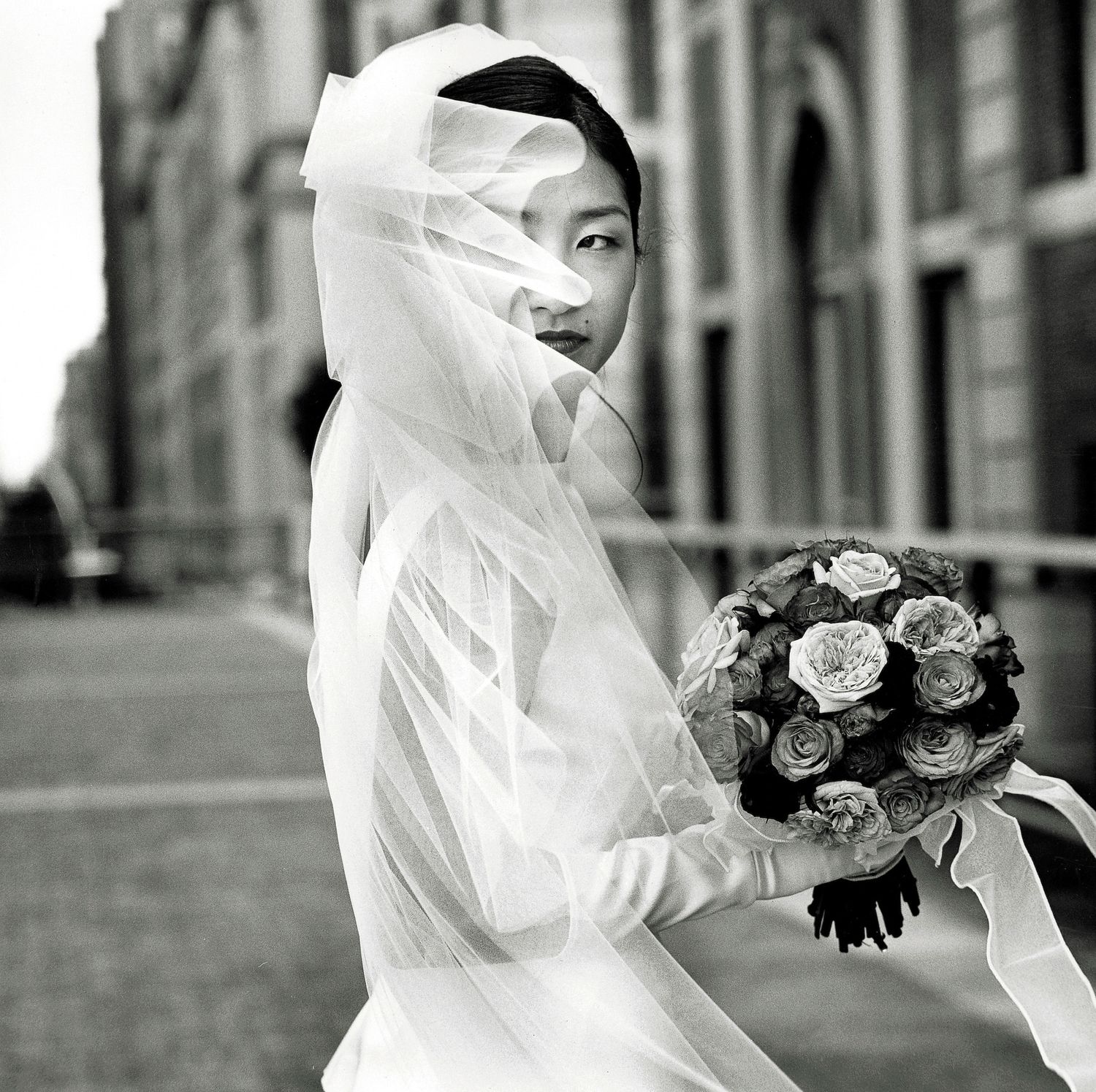
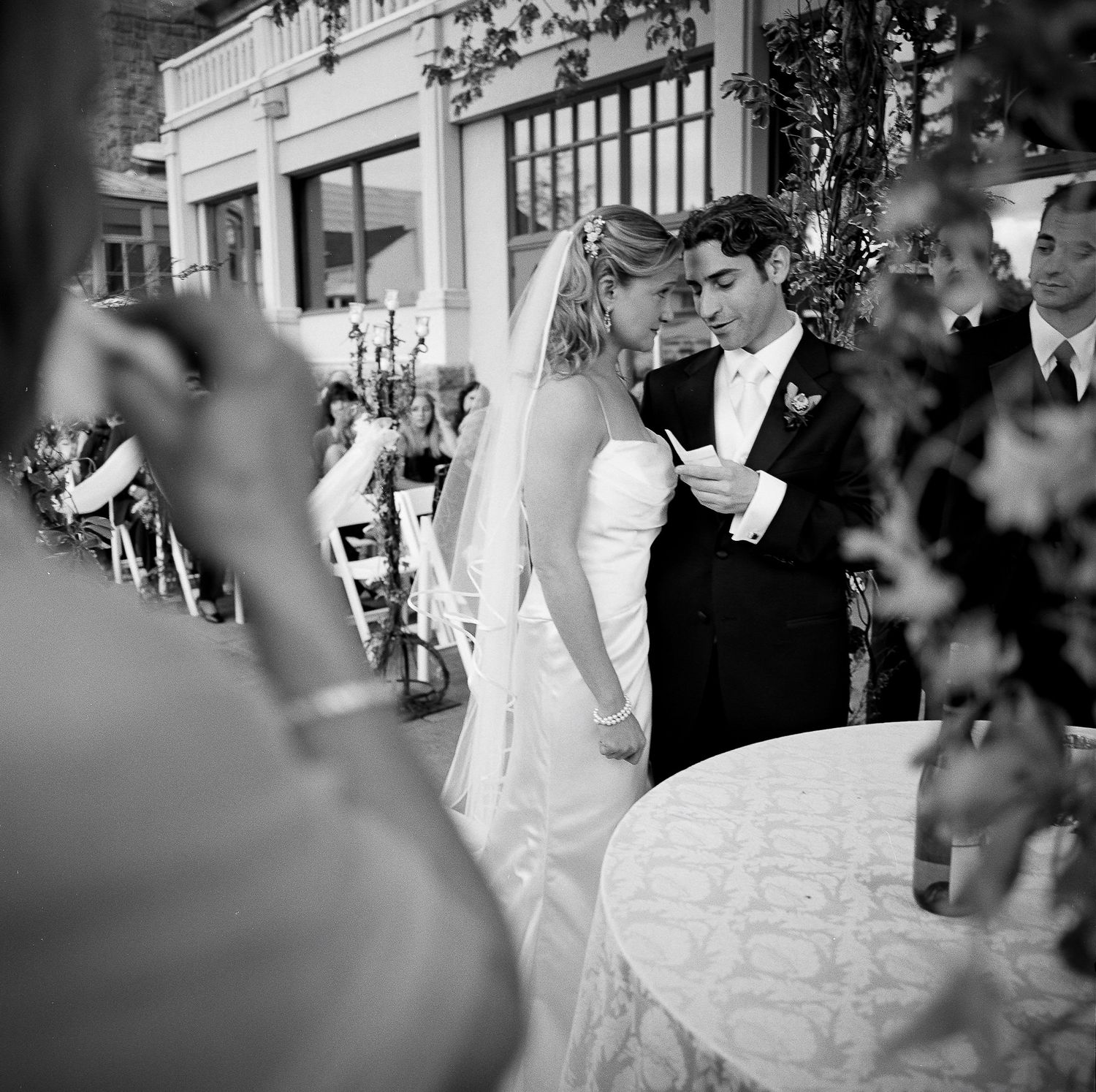
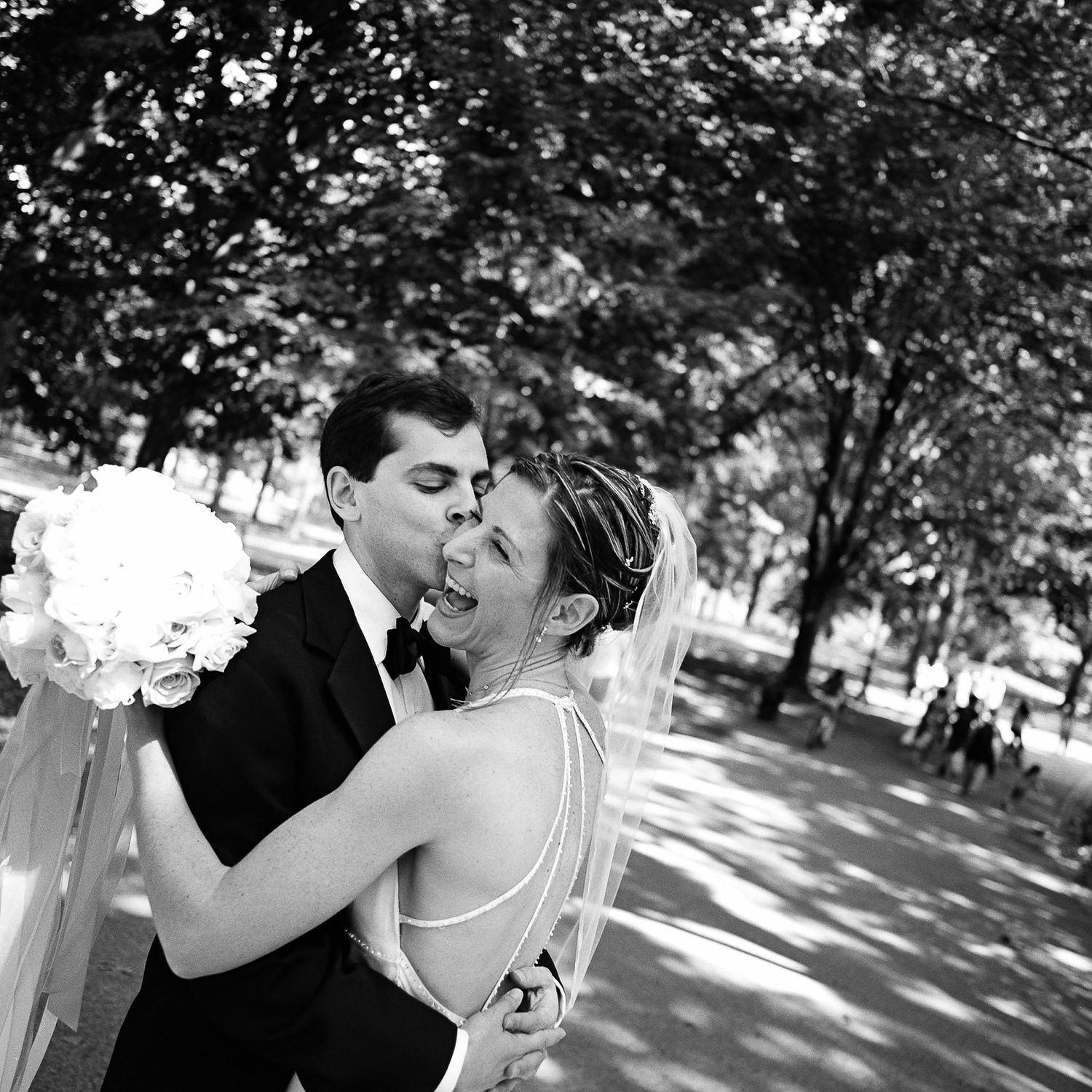
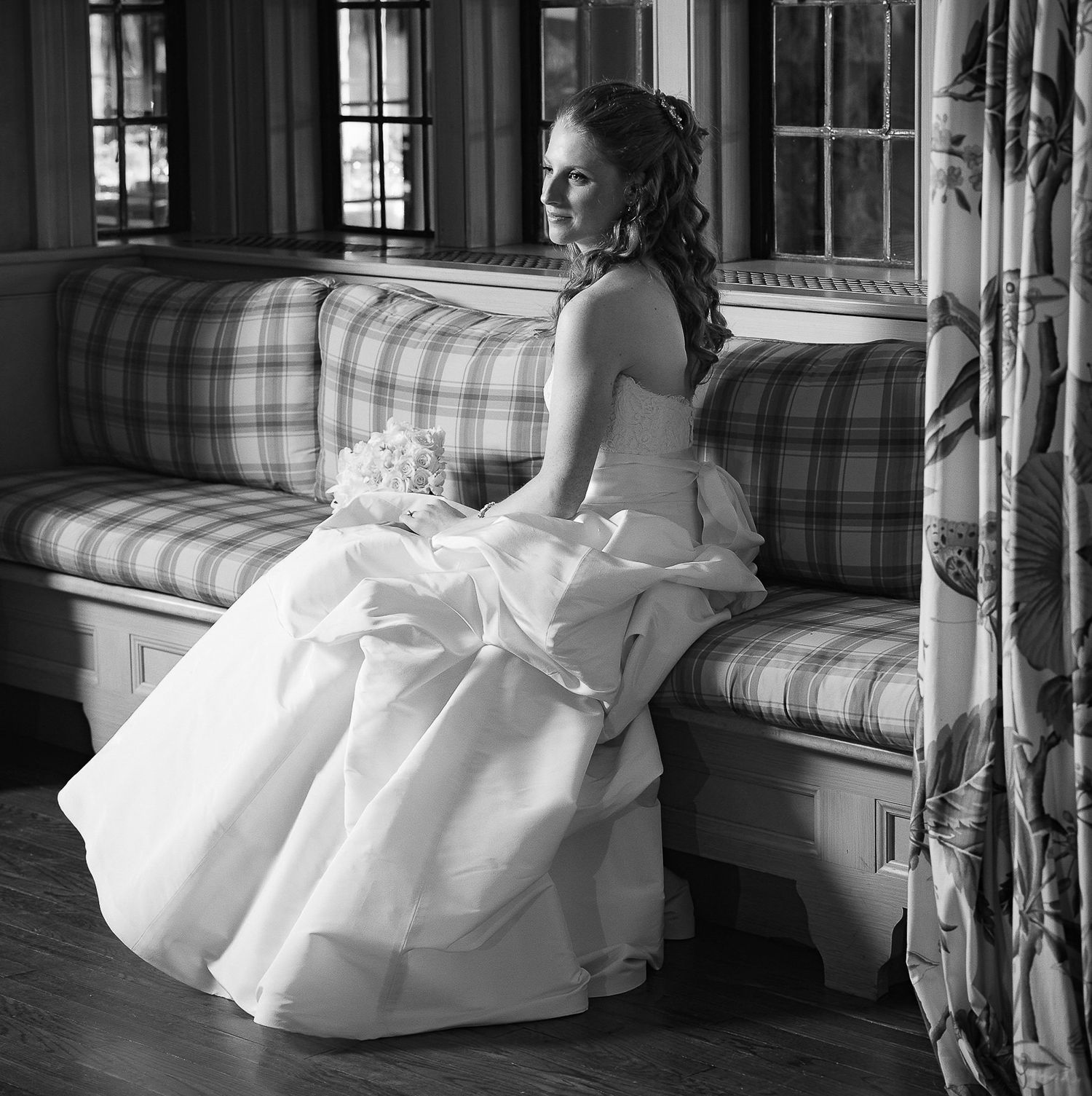
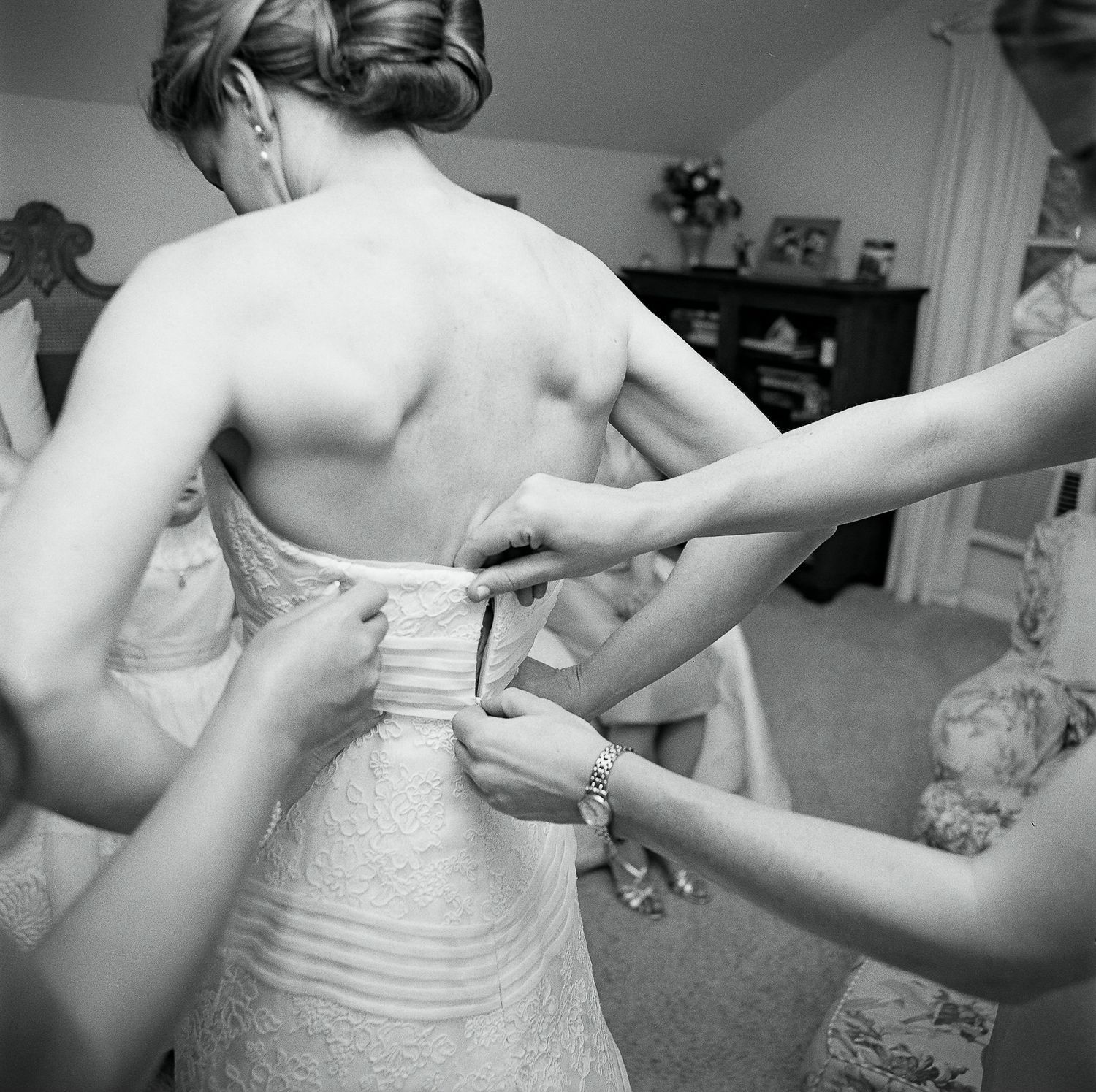
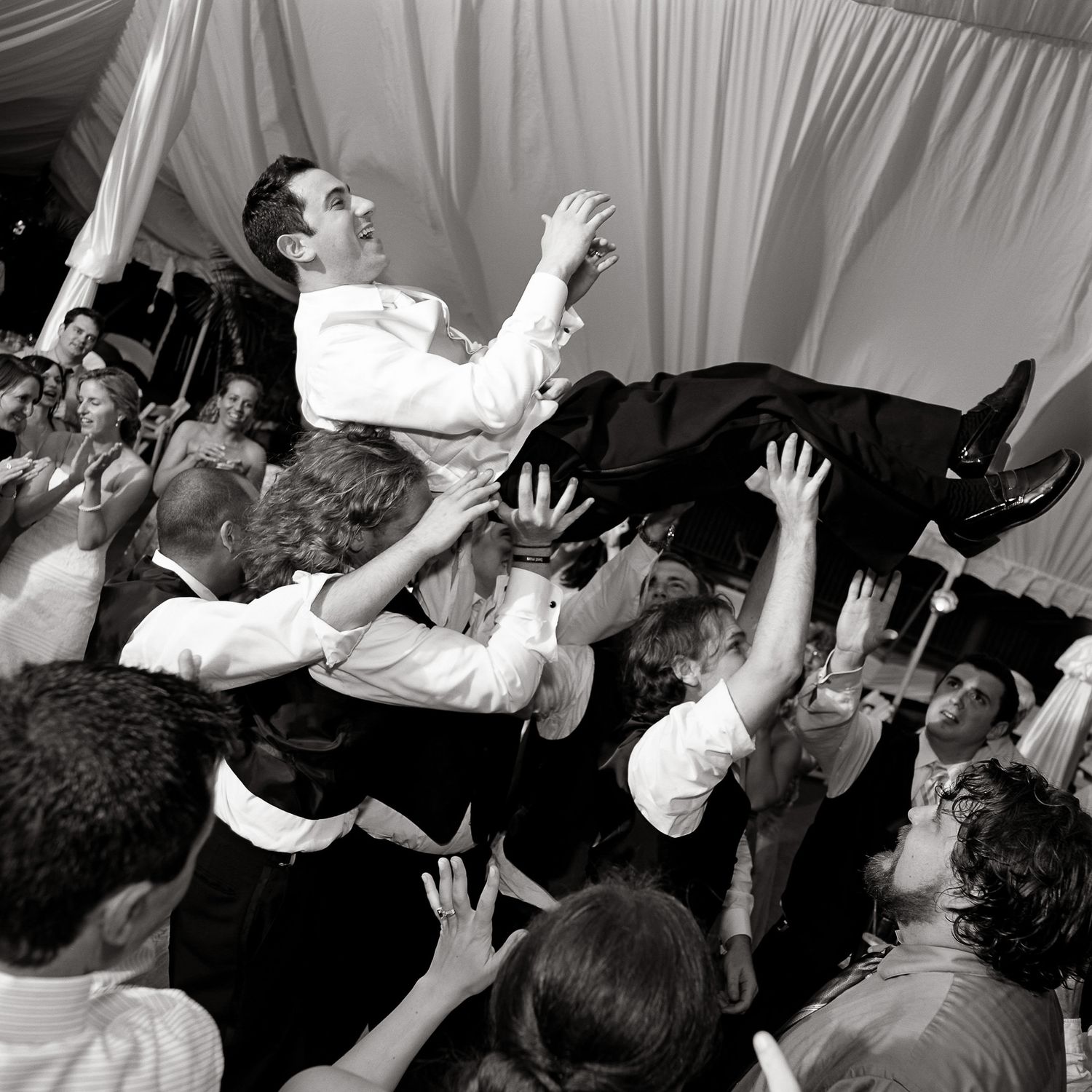
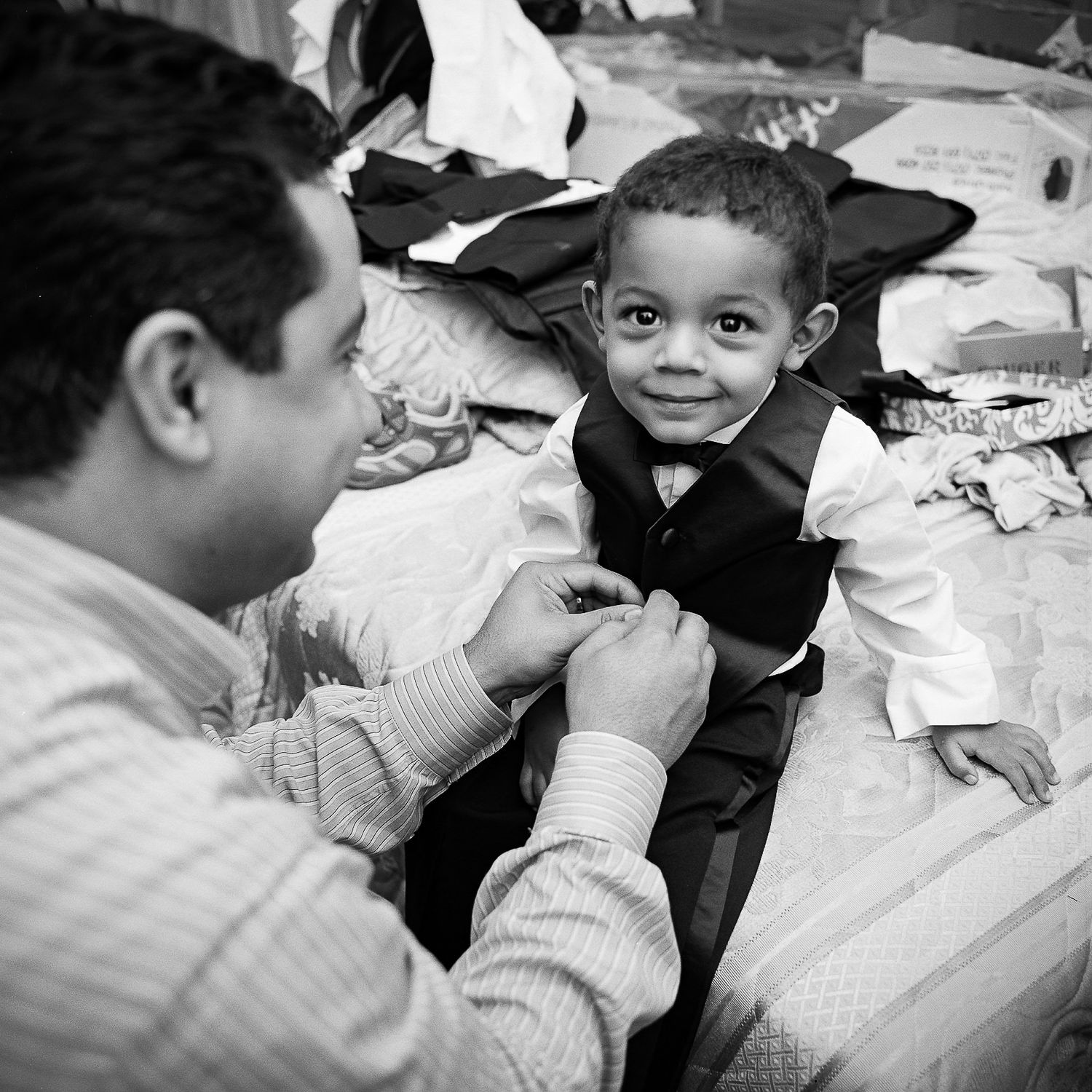
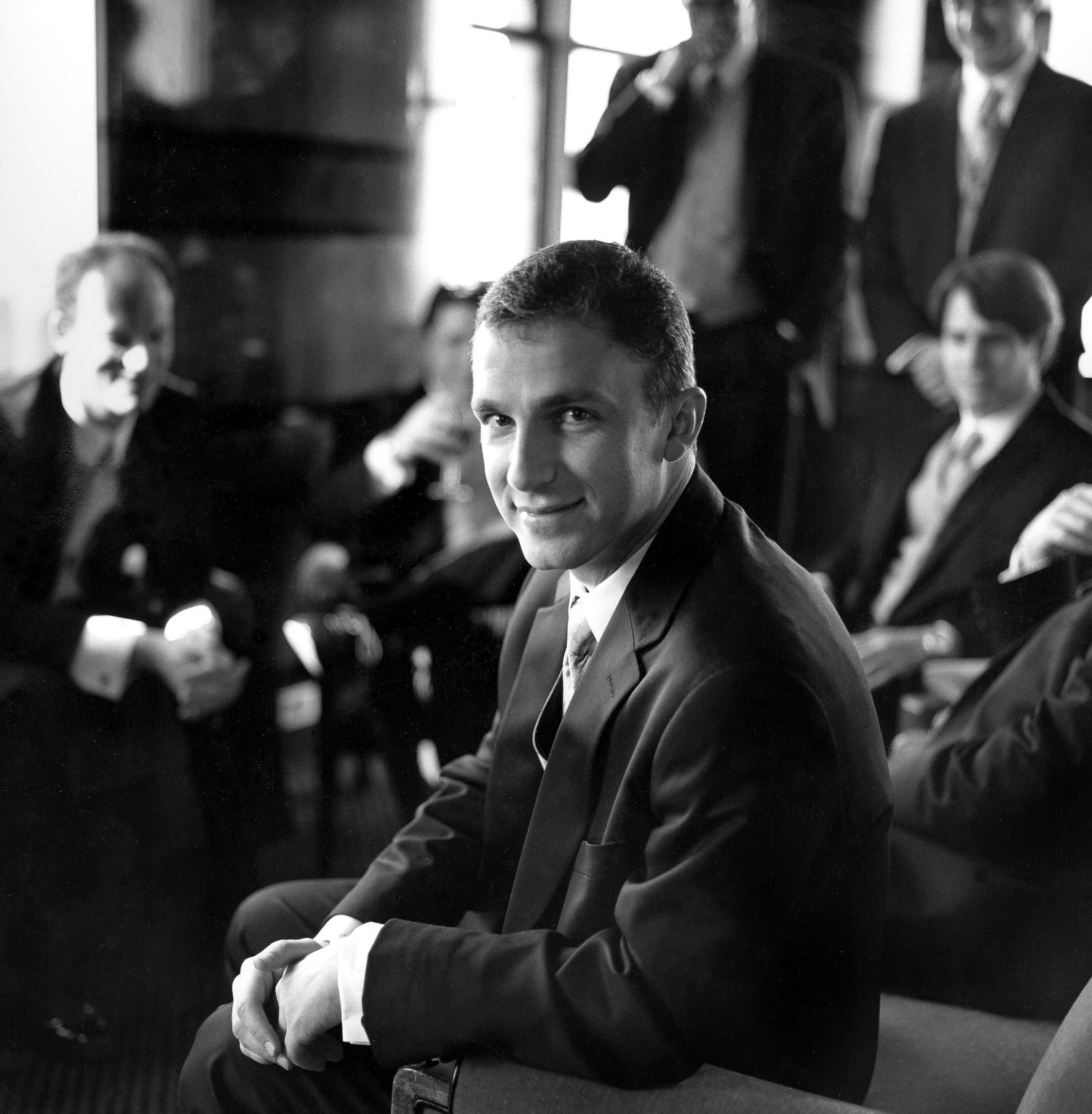
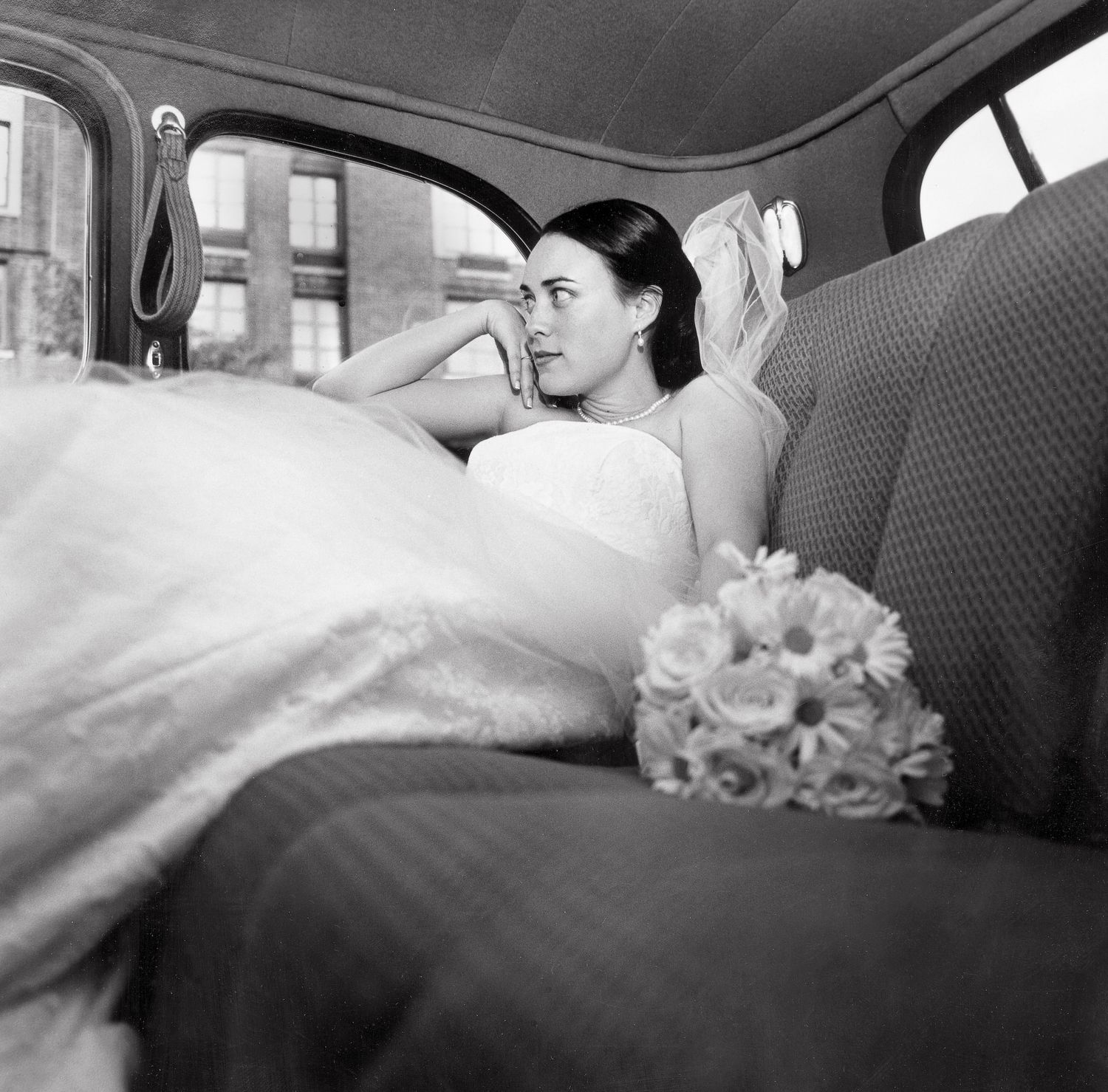
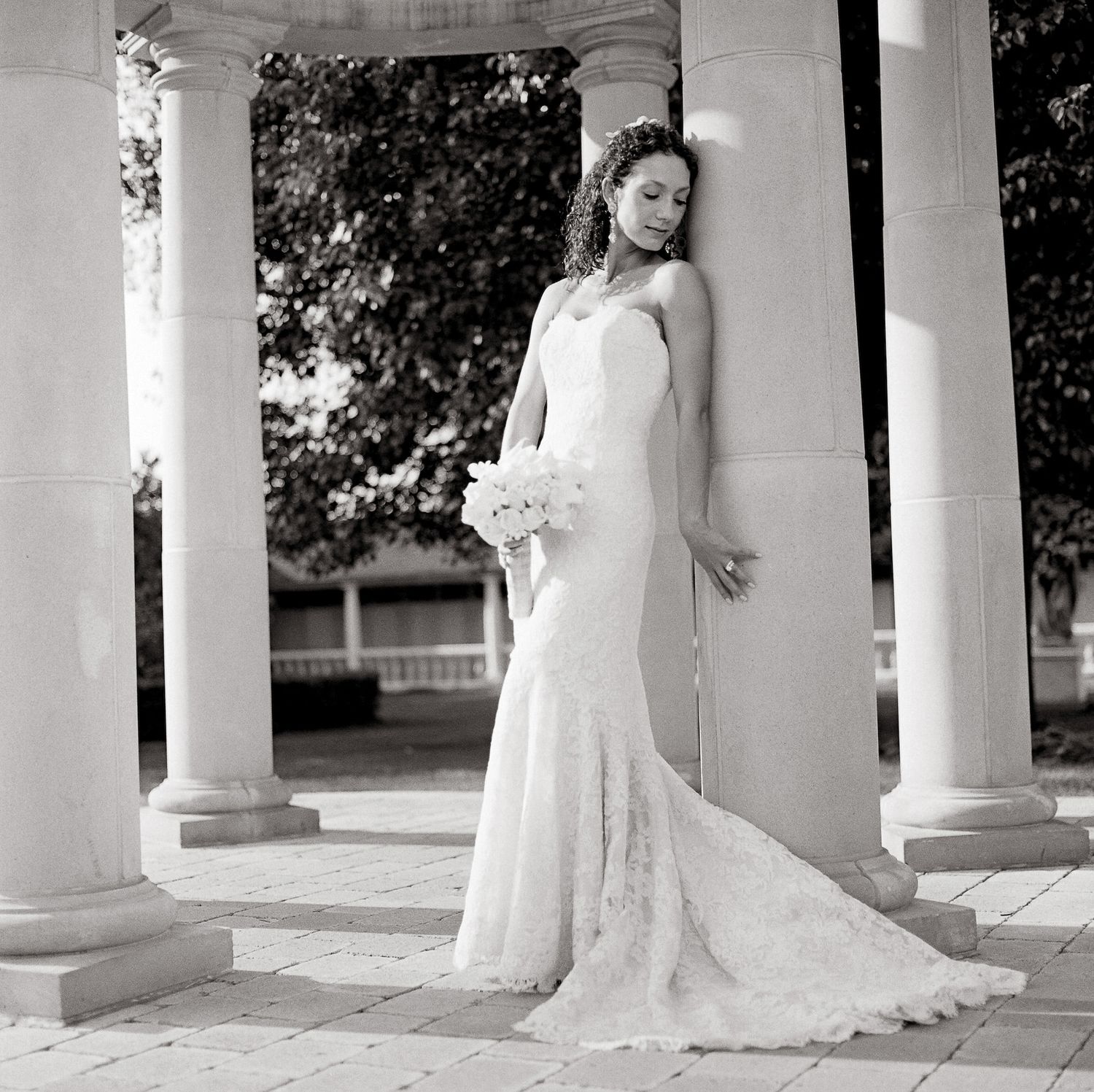
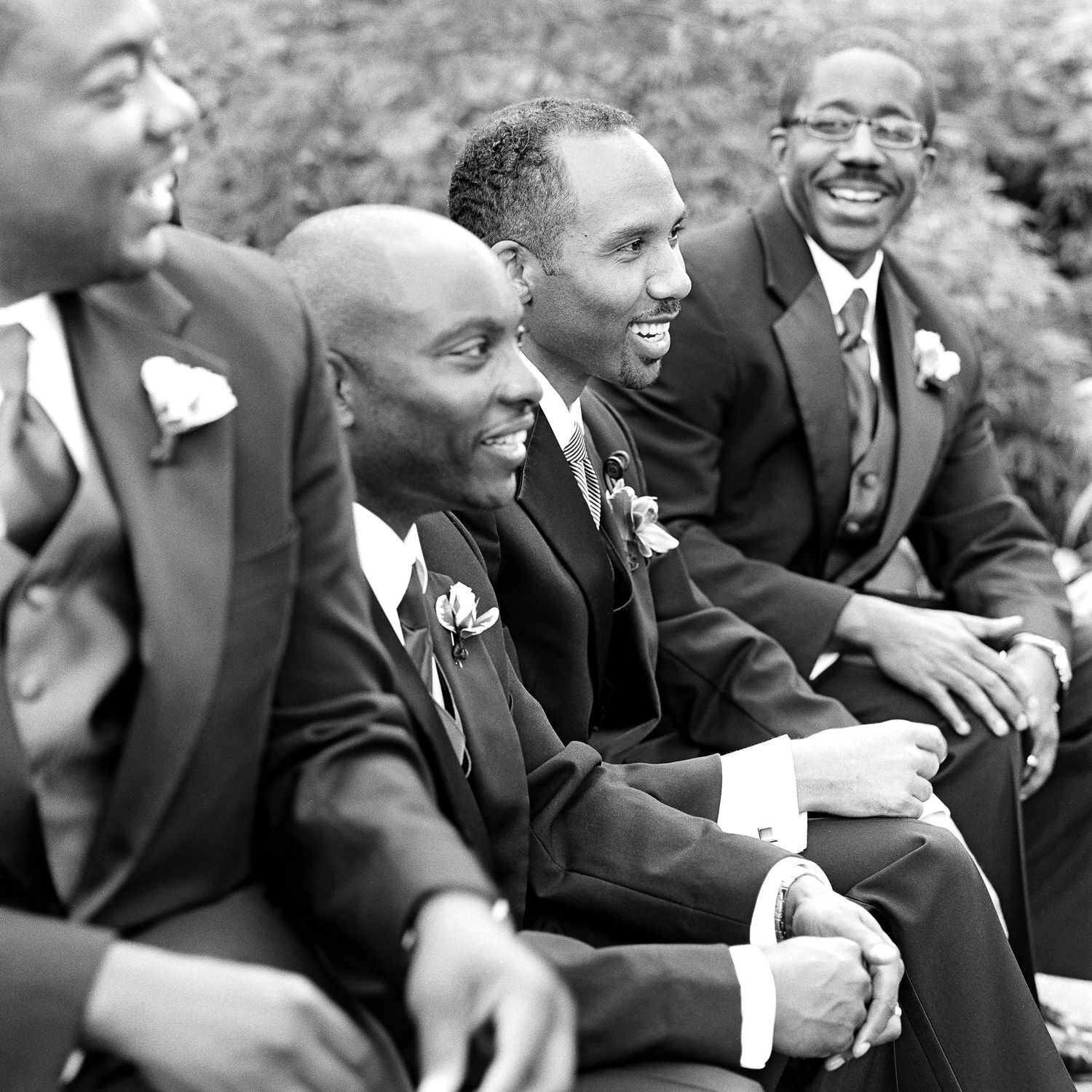
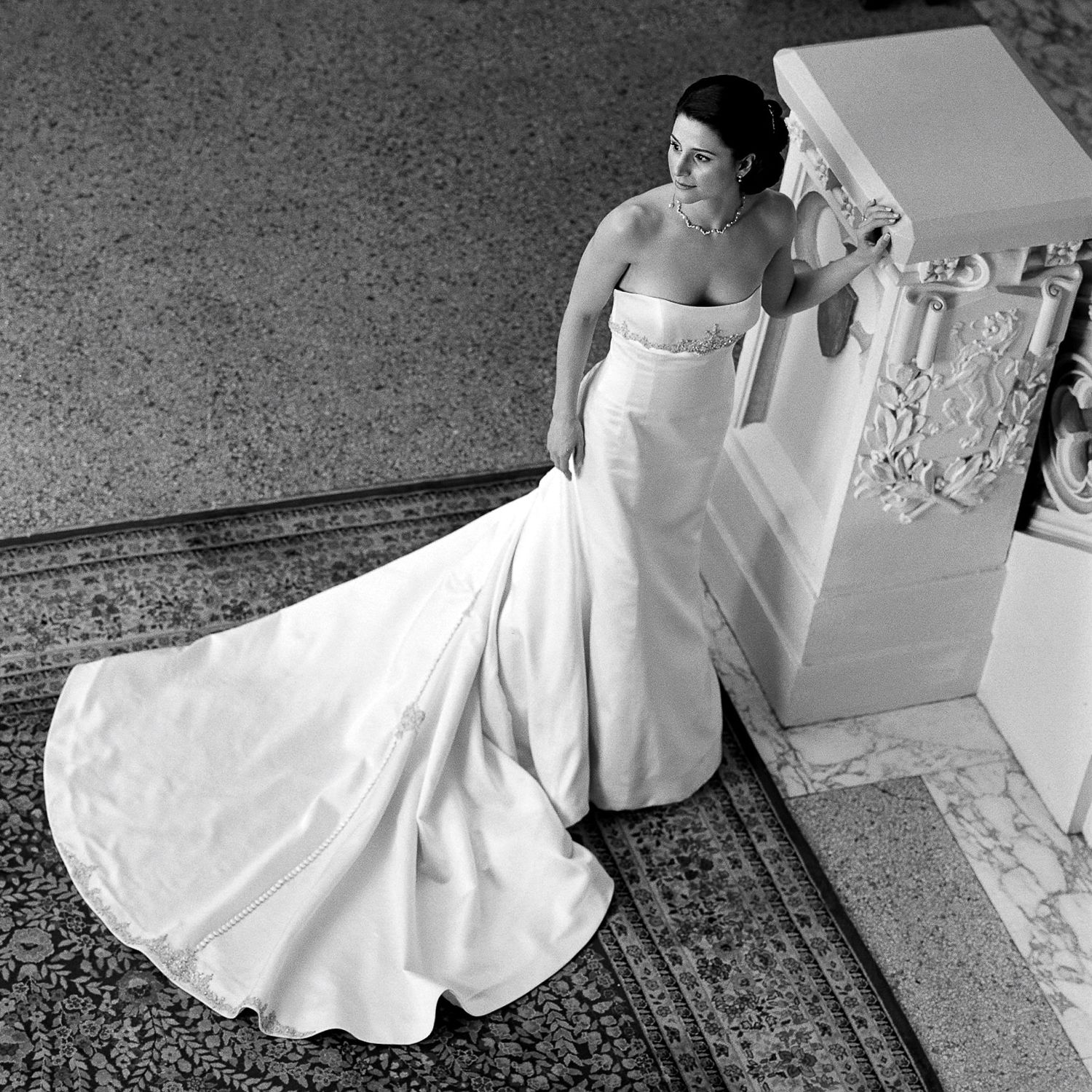
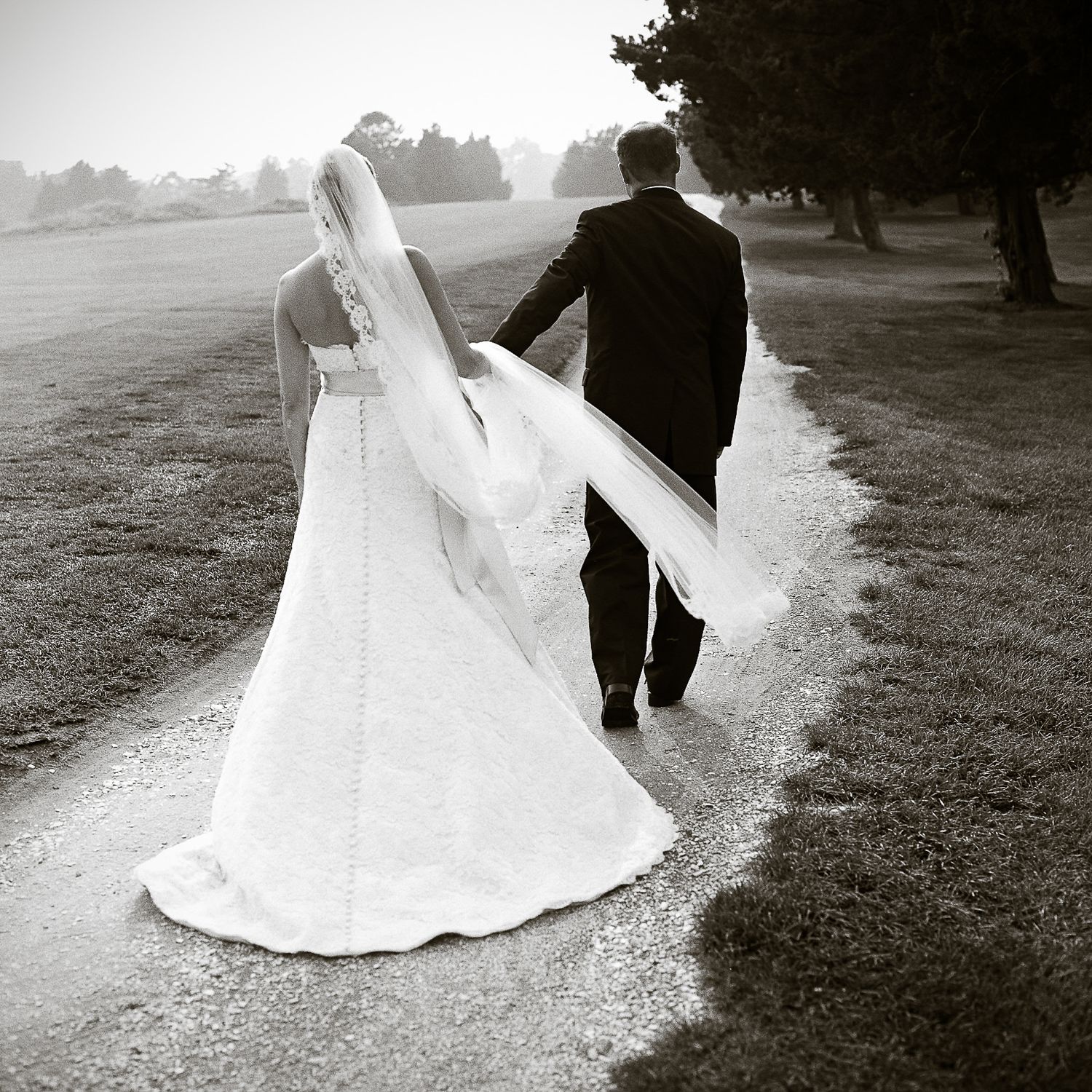
Every photograph on this page was created with a Hasselblad medium format camera using Kodak Tri-X 120 black-and-white film.
Our goal isn't simply to create photographs that look like film. It's to preserve a photographic tradition and provide an experience that honors the craftsmanship, permanence, and artistry of the medium itself.
My History With Film Photography
Film and film cameras require discipline, patience, and skill to use properly. I believe you really begin to understand film only after shooting a lot of it, developing it, and making prints from the negatives in a darkroom. Doing that hundreds of times teaches you how the film, camera, exposure, development, and printing process work together.
For me, the goal isn’t to recreate a particular film aesthetic or introduce imperfections into my photographs. It’s to use film properly as a photographic medium and take advantage of what it can actually do. The value of film isn’t in mistakes or imperfections. It’s in the negative itself and what you can ultimately do with it, particularly when making traditional photographic prints.
I have a long history with film. Before moving to digital, I photographed hundreds of weddings exclusively on medium format Hasselblad cameras using 120 film. I’ve also shot thousands of rolls commercially, either as the photographer or as an assistant on shoots where the resulting images were used for movie posters, billboards, and other commercial applications. Medium format is still my preferred way to shoot film.
Today, I primarily photograph weddings digitally because it is a far more efficient and reliable format for documenting a wedding. I can change ISO on the fly, work in very low light, shoot continuously without stopping to change cards, and use extremely fast, seamless autofocus. This allows me to move quickly and document the day extensively without needing an assistant or second shooter.
Film changes that workflow considerably. Film cameras focus more slowly, you can’t change ISO on the fly, film generally requires more light, and you’re limited to 12, 24, or 36 exposures per roll. I have to stop to change and number rolls, store them safely, and keep track of the order after they’ve been shot. The entire process requires more attention to exposure, focusing, lighting, and handling. When I’m shooting exclusively on film, I work with an assistant to manage the film and equipment.
That’s the fundamental difference between the two formats for me. Digital allows me to work quickly, efficiently, and independently, which is extremely important when I’m documenting a wedding. Film is a much more involved medium and requires considerably more care and attention.
There’s a lot of film photography being done today by people who simply don’t know how to properly shoot film. They haven’t learned the cameras or spent enough time shooting, developing, and printing to really understand the medium. As a result, you sometimes see missed focus, incorrect exposure, motion blur, and other technical mistakes. Those imperfections have become part of what some people now associate with the “film look.”
That’s not what film is supposed to look like. Film is not supposed to look faded, overexposed, underexposed, fogged, or blurry. Light leaks are not a requirement of shooting film, either. These are technical problems or artifacts of how the film was shot, processed, stored, or scanned. They are not what defines film photography.
Look at advertisements and catalogs, or fine art photography books from the 1980s and 1990s. I don’t mean bad copies of copies or scans of fading magazines. Find well-preserved originals, or better yet, look at fine art prints in a museum or gallery. You’ll find photographs with precise exposures, accurate color balance, and an incredible level of detail. Many of these images can be difficult to distinguish from a high-quality digital print.
And for those who understand the medium, a fine-art, hand-printed silver gelatin black-and-white print is an entirely different kind of photographic object. The ability to take a carefully exposed negative and use it to create a physical print in the darkroom is one of the things that makes film special.
That’s also why I don’t recommend spending the extra money on film if you don’t intend to make use of the negatives. If your plan is simply to have the film scanned and then make digital prints from those scans, I would save your money and have the wedding photographed digitally. Digital will give you more images, more flexibility, and a much more efficient workflow.
For me, film makes sense when the negative is part of the final product, especially when you want the option of making traditional photographic prints from it. That’s where I believe film offers something digital photography cannot.
If you’re interested in adding film to your wedding coverage, send me a little information about what you’re envisioning: roughly how much of the wedding you’d like photographed on film, whether you’re thinking 35mm or medium format, and what you’d like to do with the negatives afterward.
I’d also like to know if you have access to a darkroom or a custom lab that can make prints by hand. If not, I can recommend one. From there, I can give you a better idea of what would work and what the additional cost would be.
Film Wedding Photography Throughout New York and the Northeast
Based in Saratoga Springs, New York, Always Candid Photos offers film wedding photography throughout the region, including the Hudson Valley, Albany and the Capital Region, Central New York, the Adirondacks, and Lake George. I also photograph weddings throughout Vermont and Western Massachusetts, as well as throughout New York, New England, and beyond.